

Book Recommendations for Inspired Leaders
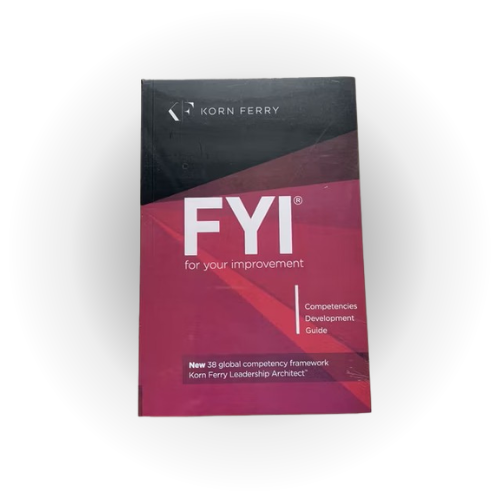
by Michael M. Lombardo
A reference guide, not a narrative read. Built on the Korn Ferry/Lominger competency framework, it covers dozens of workplace skills (delegation, strategic thinking, developing others, etc.), and for each one explains what it looks like when you're unskilled, skilled, or overusing it — plus practical remedies to improve. Meant to be skimmed and used as a lookup tool: pick 2–3 competencies to work on, then revisit later. Popular with managers, coaches, and HR for development planning and performance reviews.
by Daniel H. Pink
Traditional carrot-and-stick motivation works for simple tasks but backfires on complex, creative work. Pink makes the case that real motivation comes from autonomy (control over your work), mastery (getting better at something that matters), and purpose (connecting to something bigger).
by Susan David
Instead of suppressing or being ruled by difficult emotions, David argues for facing them with curiosity and compassion, then choosing values-aligned action anyway. It's a psychological framework for staying flexible and resilient rather than rigidly avoiding or fusing with feelings.
by Amy Cuddy
Cuddy explores how body language and mindset shape not just how others perceive us, but how we perceive ourselves — arguing that "presence" (confidence without arrogance) can be cultivated through small shifts in posture and self-belief before high-stakes moments. (Note: some of the underlying "power pose" research has since faced replication challenges, which is worth knowing going in.)
by Adam Grant

Grant challenges the idea that talent is fixed or determined by early starting points, arguing that character skills, scaffolding, and the right systems can unlock growth in people who don't look like "naturals." It's about how far someone can go, not just where they start.
by James Clear
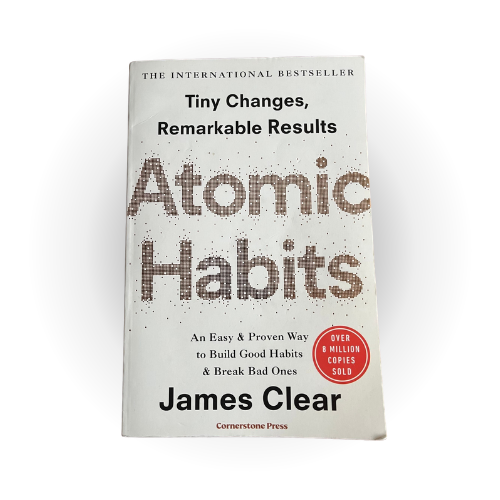
Small, consistent habit changes compound into big results over time. Clear frames habit change through identity ("who you want to become") and offers a practical system: make cues obvious, habits attractive, actions easy, and rewards satisfying (and the reverse to break bad habits).
by Liz Wiseman
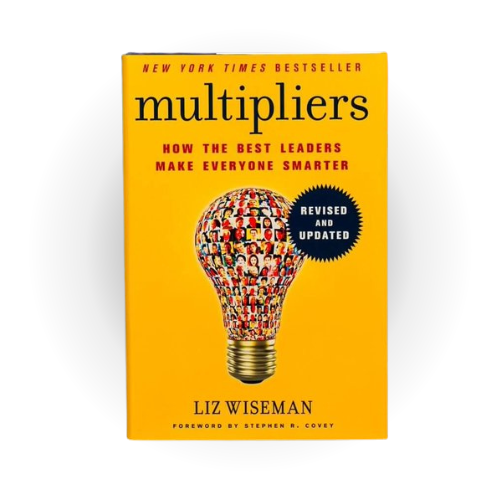
Leaders fall into two camps: "Diminishers," who hoard control and shrink the intelligence of those around them, and "Multipliers," who amplify their team's capability by asking hard questions, giving people room to think, and extending trust, getting more out of people than they knew they had.
by Ruchika Tulshyan
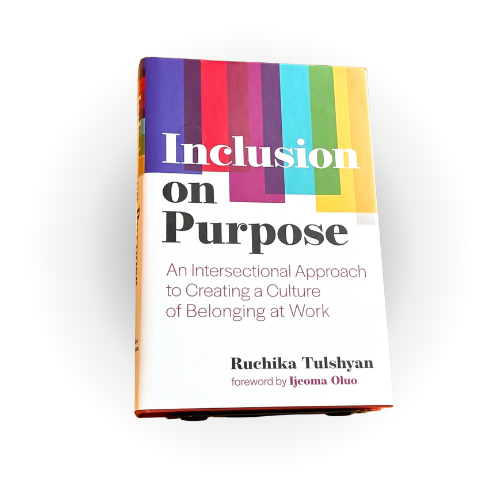
An actionable, research-backed guide to workplace inclusion, written especially with women of color in mind. Tulshyan pushes past good intentions toward concrete practices, reworking hiring, mentorship, and everyday interactions — and challenges leaders to see inclusion as active work, not a passive value.
by The Arbinger Institute
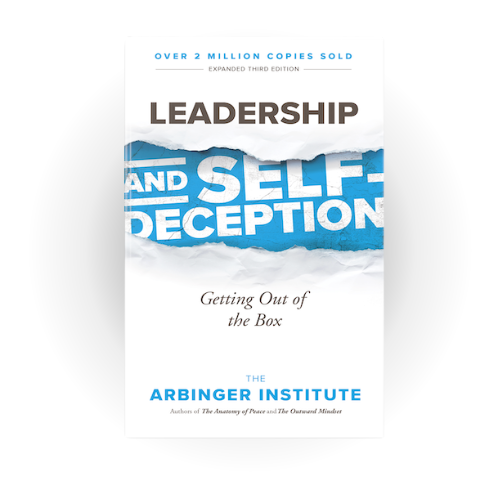
Told as a business parable, this book explores the concept of being "in the box" — self-justifying and blind to how you contribute to conflict — versus seeing others as full people with their own needs. Self-deception, it argues, is often the hidden root of leadership and relationship failures.
by Brené Brown
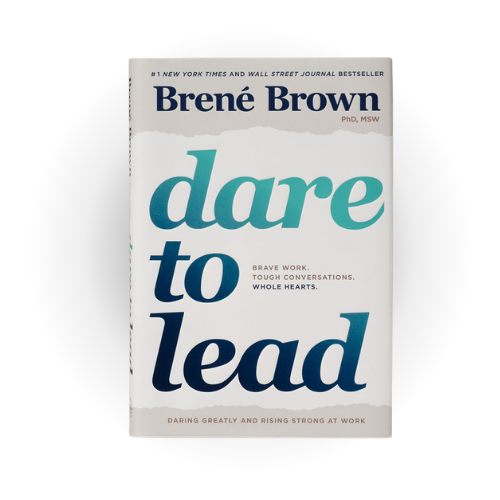
Vulnerability isn't weakness — it's the foundation of courageous leadership. Brown argues that leaders who are willing to have hard conversations, admit uncertainty, and show up authentically build stronger, more trusting teams than those who lead from armor and self-protection.
by Daniel Kahneman
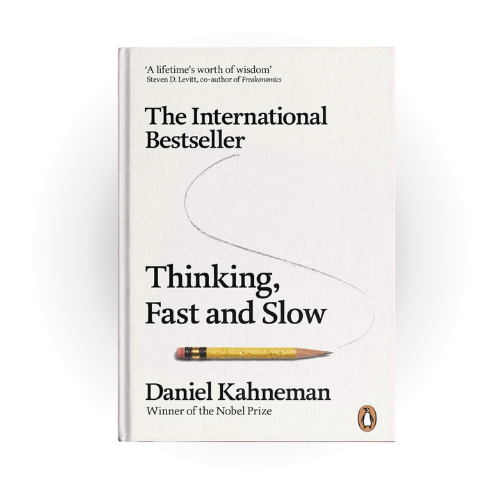
The mind runs on two systems: fast, intuitive System 1, and slow, deliberate System 2. Kahneman (Nobel laureate) unpacks the cognitive biases and mental shortcuts that shape decisions, judgment, and risk, and why we're less rational than we assume.
by Simon Sinek
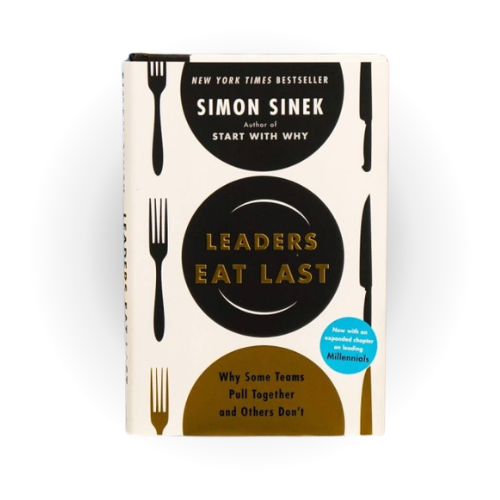
Drawing on biology and military culture (notably the Marine Corps), Sinek argues great leaders create a "Circle of Safety" that puts their people's wellbeing first — and that trust and cooperation flourish when leaders sacrifice their own comfort for the team's, rather than the reverse.
by Jennifer Brown
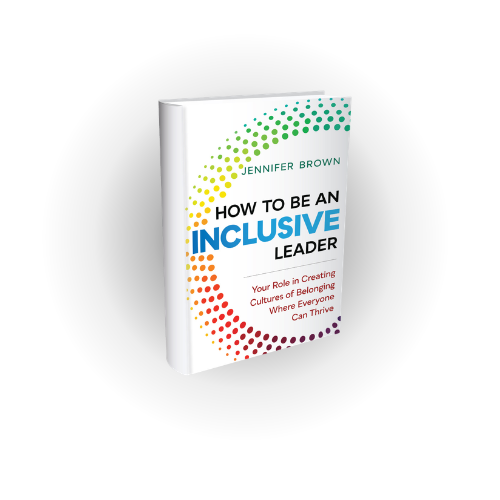
A practical guide for leaders moving through stages of inclusion — from "unaware" to "active ally" to "advocate." Brown offers frameworks and self-assessment tools for building the everyday habits and organizational muscle needed to make inclusion real, not just aspirational.